How to Start a Landscaping Business from Scratch in 2026
A practical guide from one mower to a full crew - with real 2026 numbers, no fluff. Built for solo operators and 2-person crews.
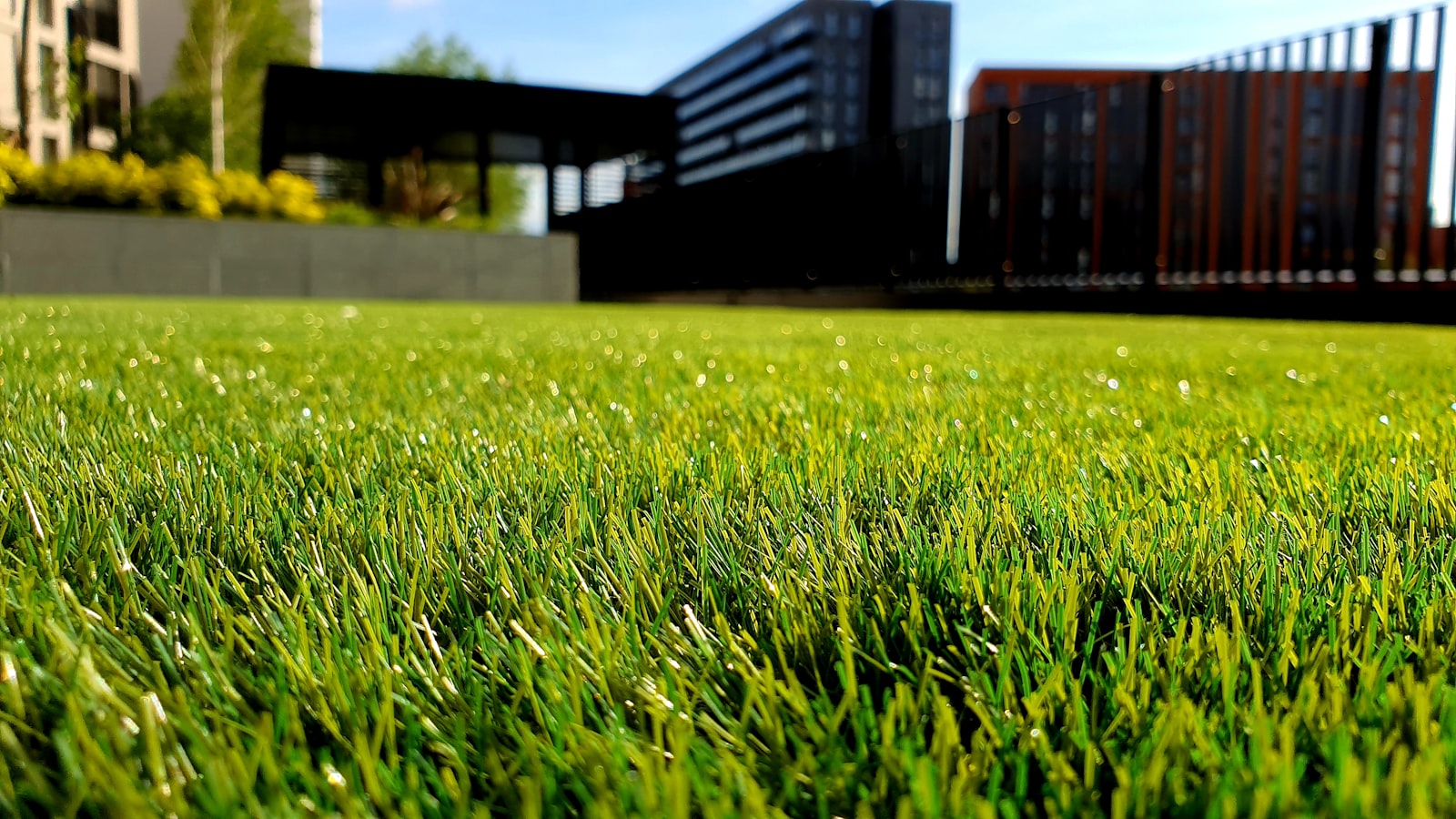
Lawn care + landscaping has the lowest barrier to entry among service trades after detailing - you can be operational with a $500 used mower, a string trimmer, and a blower. The US lawn care market is $60.0B in 2025 and growing to $62.91B in 2026 (Mordor Intelligence). The trade-off: it's also the most price-competitive trade. Every neighborhood has 5+ guys with truck-and-trailer setups quoting $40 lawns. The operators who clear $100K+ in 2026 are the ones who don't compete on price - they build dense recurring routes, add high-margin specialty work (mulch, aeration, hardscape), and get pesticide-licensed.
This guide walks every decision in order, with verified 2026 US market numbers. Skip what you've already done; follow sequentially if starting cold.
1. Why landscaping is a strong business to start
- Recurring revenue is the default. Most customers want weekly or biweekly mowing. By year 2, 80%+ of mature operator revenue comes from a recurring book that renews automatically each spring.
- Startup cost is genuinely low. Solo bootstrap with consumer-grade gear runs $500-$3,000. With commercial-grade gear $5,000-$8,000.
- No specialty license required for basic mowing. General business license + insurance is the full legal stack to mow lawns. The pesticide license you'll need (Section 3) only kicks in when you start applying chemicals.
- Demand is geographic, not economic. People who downsize cleaning frequency in a soft economy don't usually let their grass die. Mowing has the most resilient demand profile of any service trade in 2026.
The realistic income picture: a full-time solo lawn-care operator with consumer-grade gear typically clears $40K-$70K in year-one revenue. Commercial-equipped solo with a recurring book lands $80K-$130K. Two-person crews with a trailer + commercial mowers + chemical-application service push $200K-$350K. Sources: HomeGuide 2026, Jobber 2026 Home Service Trends Report, Lawnstarter 2026.
2. Pick your model: solo, two-person crew, or specialty-focused
| Solo with consumer-grade gear | Lowest startup ($500-$3,000). 8-12 standard mows/day at peak. Best for first 3-6 months - you learn what jobs/distances are profitable before staking real money on it. |
| Solo with commercial-grade gear | $8,000-$20,000 startup. 10-14 mows/day with proper trailer + commercial mower. Most operators settle here by year 1. |
| Two-person crew | $25,000-$60,000 startup. 15-20 standard mows/day. Faster scaling but adds payroll + workers comp + 1099-vs-W2 risk. |
| Specialty-focused (mulch, aeration, hardscape) | Lower mow volume; higher per-job margin. Mulch $77-$94/yd installed (Angi); paver patio $22-$28/sq ft (HomeGuide); aeration + overseed $160-$425 per 10K sq ft. Best layered onto a base mowing book in year 2-3. |
The biggest mistake new operators make is hiring a helper before they've personally done 100+ mows. You don't yet know your real time-per-yard, fuel cost per route, or what add-ons sell - so you can't price for a crew. Run solo until your gut knows the answer.
3. Licensing - pesticide cert is the one you can't skip
Mowing-only operators in most states need only a general business license + insurance. Anyone applying chemicals (RoundUp, fertilizer with weed killer, broadleaf herbicides, fungicides) needs a state pesticide applicator license - under federal EPA rules, administered state-by-state.
| Massachusetts | $300 cert + $250 renewal |
| Washington (WSDA) | $65 exam + $125 renewal |
| Kansas | $40 / 3 yrs commercial applicator + $60/yr Pesticide Business License |
| Georgia | $55/yr annual fee |
| Utah | $84 renewal |
Sources: MA license requirements, WA, KS, NEXT Insurance state-by-state.
Other state-specific licenses to check:
- California C-27 Landscaping Contractor (CSLB) - required for ANY landscape contract ≥ $500. $450 application + $200-$350 initial license + $25,000 surety bond (~$150/yr premium with good credit). 4 yrs journey-level experience + Law/Business + Trade exams. Total typical out-of-pocket $1,500-$3,000. 50% reduction available for military/spouses (CSLB).
- Irrigation contractor license - required as a separate trade license in some states (TX, FL).
- Arborist / tree-care license - specialty in CA, MD, and others. Sub the work to a licensed tree company until you're large enough to pursue this credential.
Operators get caught when a customer's neighbor calls the state Department of Agriculture about drift damage. Penalties: per-application fines, license-prohibition, and state-database flagging that your competitors can search. Most contractors caught for unlicensed chemical application never recover the reputation hit. Get the license BEFORE you spray.
4. Equipment + supplies - three starter tiers
Honest tiers based on Housecall Pro 2026 and GUS App:
Tier 1 - solo bootstrap ($500-$3,000)
- Used 21" walk-behind mower or 36" hydro walk-behind ($300-$1,500 used)
- Backpack blower (entry pro: Stihl BR 600, Echo PB-580 - $400-$600 used)
- String trimmer (entry pro: Stihl FS 91 R, Echo SRM-2620 - $200-$350)
- Edger ($200-$400 - Stihl, Echo)
- Hedge trimmer (consumer-grade OK to start) ($100-$300)
- Hand tools: rakes, shovels, pruners, loppers ($150-$300)
- 5-gallon gas can + 2-cycle mix oil ($30-$50)
- Personal vehicle + open trailer ($500-$1,500 if buying used trailer)
Tier 2 - equipped solo ($8,000-$20,000)
Where most operators settle by month 4-6.
- Everything in Tier 1, plus:
- Commercial walk-behind or zero-turn mower (Scag, Exmark, Toro, Wright). Realistic 2026 commercial zero-turn band: $12,000-$25,000 dealer-only. Exmark MSRPs span $6,100 (Radius entry) to $82,990 (top-tier Lazer Z) per Allmachines.
- Stihl BR 600 (238 mph / 677 CFM) or Echo PB-9010T (~$600 retail). The pro-tier blower per Echo Means Business.
- 6x12 open utility/landscape trailer (~$2,595 new per Silvertown Motors)
- Backpack sprayer for chemical application ($150-$400) - once licensed
- Push spreader for fertilizer ($150-$400)
- Branded shirts + signs for trailer ($300-$600)
Tier 3 - full crew setup ($30,000-$60,000+)
- 6x12 enclosed trailer: $4,699-$8,915 new per Bauman Trailer Sales - secures equipment overnight, doubles as moving billboard
- Truck capable of towing 5,000+ lb
- Second commercial mower (different deck size for variety)
- Aerator (rent until route density justifies $3,000-$8,000 purchase)
- Plate compactor + sod cutter + trenchers (rent until needed)
- Specialty: GPS route optimization software, two-way crew radios
5. Pricing your services
Real 2026 US market prices, sourced from Housecall Pro 2026, Angi 2026, HomeGuide, Lawnstarter, Lawn Love, and Jobber:
Typical lawn care + landscaping pricing (2026, US national)
| Service | Low | Typical | Premium |
|---|---|---|---|
| Standard mow (per visit) | $30 | $45-$90 | $150+ |
| Hourly mowing/cleanup | $35/hr | $50-$68/hr | $100/hr |
| Full-service weekly mow (mid-yard) | $30 | $45-$65 | $100 |
| Full-service weekly mow (1/4 acre) | $45 | $50-$55 avg | $90 |
| Spring cleanup | $100 | $150-$300 | $500 |
| Fall cleanup | $200 | $300-$500 | $1,000+ |
| Mulch install (per yard, all-in) | $70 | $77-$94 avg | $150 |
| Aeration only (per 1,000 sq ft) | $15 | $15-$18 | $0.45 |
| Aeration + overseed (per 10,000 sq ft) | $160 | $300 | $425 |
| Paver patio install (per sq ft) | $15 | $22-$28 avg | $55 |
| Retaining wall (linear ft, 2 ft tall) | $40 | $80-$120 | $345 |
| Tree removal (medium 30-60 ft) | $200 | $400-$800 | $1,000 |
| Snow removal (per visit) | $40 | $80-$130 | $180 |
| Snow removal (seasonal contract) | $450 | $700 avg | $1,500 |
| Irrigation install (per zone) | $590 | $800-$1,200 | $1,340 |
| Whole irrigation system avg | $1,638 | $2,541 avg | $4,500 |
Recurring contract structure (industry norm):
- Mowing-only weekly: $30-$65/visit; $90-$200/month (2-3 mows). 10-15% discount vs one-off rates.
- Full-service weekly: $65-$100/visit; $200-$400/month. Includes mow + edge + trim + blow + minor cleanup.
- Premium full-service (fert + weed control + seasonal cleanup + spring/fall mulch refresh): $300-$600/month - the highest-margin tier.
Biweekly customers are often quoted the same per-visit price as weekly. That's a margin leak - biweekly grass takes 1.3-1.5× longer to cut, your blade dulls faster, and bagging/cleanup is heavier. Industry norm is biweekly per-visit price = weekly × 1.3. Customers don't argue when you explain it's because the work is more.
Per Jobber 2026 Home Service Trends Report, only 16% of pros use "good/better/best" pricing tiers. The other 84% offer one quote and the customer compares against the next contractor. Build 3 tiers per service - basic (mow + edge), standard (full-service mow + cleanup), premium (full-service + fert/weed/seasonal) - and 30-40% of customers self-select up to standard or premium.
Three tiers in one quote, sent in 60 seconds.
Plyrium's quote builder lets you generate three-tier pricing for any landscaping service and text it to the customer's phone. They pick which tier they want, sign + pay deposit, and you've earned 30-40% more revenue per quote than competitors who offer one option.
See Plyrium's quote builder6. Finding your first customers
- Friends, family, and their networks. Free, immediate, highest-quality first-pass. Offer a discount to your first 5-10 customers in exchange for a Google review and one referral each. Lawn care is the most-referrable service - neighbors notice when YOUR yard looks better.
- Door hangers in target neighborhoods - landscaping's #1 channel. Industry response rate 0.5-5%, most campaigns 1-3%, home services typically ~2% per SPOTIO and Nexus Marketing. Door-hanger ROI specific to landscaping: 2,000 hangers at $0.25 each = $500; 1% response = 20 customers, ~$2,000 first-month revenue, ~$1,495 net. Why it works for landscaping: same neighborhood = next-door referrals + visible work creates social proof.
- Google Local Services Ads (LSA). Landscaping/lawn-care CPL ≈ $20-$55 (low end of home services); broader range $25-$80 (BlueGrid Media, JWeis Agency). Strong seasonality: lawn-care CPL drops to $40-$50 in late April/early May, then rises to $80-$90s through summer (Lawnline).
- Yard signs at active jobs. Free, geographic, persistent. Most operators don't bother. The ones who do see consistent organic-referral traffic from neighbors driving by.
- Nextdoor + neighborhood Facebook groups. Where homeowners actually ask "who do you use for lawn care?". Don't spam - answer thoughtfully when relevant and your name surfaces organically.
- Referral incentive. $25-$50 referral credit when a referrer's lead converts to a paying customer. The 80%+ retention rate of recurring customers makes this math compound fast.
7. Operations: routes, scheduling, weather
The biggest operational challenge for new landscapers is route density + weather. A route with 8 customers within 2 miles of each other is dramatically more profitable than 8 customers spread across 15 miles. Build your book NEIGHBORHOOD-FIRST.
Minimum operations stack:
- A calendar customers can book directly into. Reduces phone tag for one-off services (cleanups, mulch, hardscape).
- Automated SMS confirmations + rain rescheduling - when storms cancel a route day, you need to text 12+ customers in 5 minutes about the new day.
- Recurring service contracts that re-bill automatically - the 60-90 day reception float between "mowed in May" and "customer paid in June" eats cash.
- Mobile payment processor - Square, Stripe, your software's built-in. Customer pays card-on-file at completion is 4× faster than "we'll send you an invoice."
- Customer records that survive your phone dying - every customer's gate code, dog notes, lawn-prefer-bagged vs mulched, billing schedule lives in one place.
8. Build recurring revenue with seasonal contracts
Recurring is everything in landscaping. Mature operators have 80%+ of revenue locked in by April when the season starts. The math:
| 30 weekly mowing customers @ $50/visit | $6,000/month in season (April-October, ~28 weeks). Post-season fall cleanup adds $4,500-$9,000. |
| 30 full-service @ $200/month | $6,000/month locked in 12-month contract. Includes spring + fall cleanup as deliverable. |
| 30 full-service + chemical app @ $400/month | $12,000/month - the highest-margin model. Same 30 customers, 3× the revenue. Requires pesticide license. |
The annual-contract close. When signing a new customer in spring, offer them a 12-month locked-in contract at 5% off the monthly recurring rate. The contract guarantees the operator's revenue through the lean winter months (mowing customers don't naturally pay you in January) and the customer locks in pricing before mid-summer demand spikes.
Recurring billing without the chase.
Plyrium's recurring service contracts handle the boring side: autopay through Stripe, auto-scheduled visits, customer cards on file with self-service updates. When a card fails, Plyrium emails the customer with a payment link - you don't chase. Mowing customers stay paid through the season; off-season prepaid customers are easy to set up.
See recurring contracts in Plyrium9. Insurance - what you actually need
Cost benchmarks from MoneyGeek 2026, NEXT 2026, and Kickstand:
| General liability ($1M/$2M) | $700-$3,000/yr typical. NEXT $51/mo or $610/yr avg. MoneyGeek $1,453/yr for 2-employee shop. GL = 0.6%-1.8% of revenue depending on service mix |
| Commercial auto | $800-$2,400/yr typical for truck use |
| Equipment / inland marine (mowers stolen from trailers is common) | $200-$800/yr separate policy |
| Workers comp NCCI 9102 (Lawn Maintenance) | $2.33 per $100 of payroll |
| Workers comp NCCI 0042 (General Landscaping) | $4.39 per $100 of payroll |
| Workers comp NCCI 5221 (Hardscaping) | $4.37 per $100 of payroll |
| Workers comp NCCI 6217 (Landscaping w/ Tree Removal) | $3.97 per $100 of payroll |
| Workers comp NCCI 0106 (Tree Trimming) | $7.63 per $100 of payroll - highest tier |
| Pesticide rider (chemical applicators) | Required when adding herbicide/fertilizer service. Premium varies by carrier |
| Total annual stack (2-5 employee shop) | $8,000-$18,000/yr |
Mowers stolen from trailers parked on residential streets is one of the most common claims in landscaping. Insureon and trade publications report equipment-theft claims as the leading single insurance cost line for lawn-care operators. Open trailers without anti-theft hardware (chocks, hitches, padlocks) are particular targets. Either: (1) park the trailer indoors at the customer's site if possible, (2) buy an enclosed trailer in year 2, OR (3) carry a beefy inland marine policy that pays out without depreciation.
10. Regulatory gotchas - pesticide, NPDES, HOA
EPA pesticide certification (federal floor)
Anyone applying restricted-use pesticides (RUP) must be certified per EPA Worker Protection Standard. States administer day-to-day programs. State fees and CE hour requirements vary; specific state schedules in Section 3.
NPDES Pesticide General Permit (PGP)
The 2026 EPA Pesticide General Permit governs point-source discharges of pesticides leaving residue to waters of the US. Operators applying near waterways may need permit coverage / NOI filing per EPA NPDES. If you're spraying within 100 ft of a creek, drainage, or wetland, get the permit math right OR don't bid the job.
NPDES Stormwater (40 CFR 122.26)
Permit applications must describe location, manner, frequency of pesticide/herbicide/fertilizer application and BMPs (best management practices). 2026 MSGP applies in EPA-administered regions; landscapers as subcontractors are expected to follow site BMPs (eCFR).
HOA noise / hours-of-operation rules
Most municipalities + HOAs restrict mower/blower operation outside 8am-7pm M-F and shorter weekend windows. Some California cities (Santa Monica, Berkeley) ban gas-powered leaf blowers entirely. Verify your service-area rules BEFORE quoting work - a customer who agreed to early-morning Saturday service can still trigger HOA fines that come back to YOU.
Landscaping crews are the trade where misclassification audits hit hardest. There's no dollar threshold; the IRS uses a behavioral / financial / relationship test. Setting your helper's schedule, providing all the equipment, training them on your methods, ongoing relationship - those push toward W-2. Penalties: back employment taxes + FICA share + FUTA + interest + potential FLSA overtime claims for the entire tenure. The DOL and IRS announced renewed enforcement on this in 2024-2025.
11. Your first 30 days - concrete plan
30-day startup plan
| Week | Focus | Outcome |
|---|---|---|
| Week 1 | Legal + insurance | LLC filed, EIN obtained, business bank account open, GL ($1M) + commercial auto bound. Pesticide license application started if planning chemicals (most states 1-3 month lead time for first-time exam). ~$1,000-$2,500 spent. |
| Week 2 | Equipment + trailer | Tier-1 starter kit OR Tier-2 if budget allows. Trailer purchased + outfitted with branding. Generic uniform/shirts ordered. ~$2,000-$15,000 spent. |
| Week 3 | First five customers (discounted) | Friends, family, and one or two from neighborhood Facebook at 20% off in exchange for Google reviews + one referral each. Practice your service workflow - time-per-yard, fuel cost per route. Refine your standard mow sequence. |
| Week 4 | Public launch + door hangers | Google Business Profile live with 5+ reviews. Door-hanger campaign (200-500 doors in target neighborhoods). Yard signs at first 3 active jobs. First paying public customer + first recurring contract signed. |
Realistic expectation: 6-12 months to consistent full-time income for a solo landscaper. Year 1 is brutal during winter (Northern US) and shoulder seasons - set aside 30%+ of every summer ticket to carry you through October-March. Operators who fail in year one almost always do so because they spent the off-season tax money on equipment or themselves.
Landscaping rewards consistency, route density, and trustworthy schedule-keeping over scale or aggression. Show up every Tuesday at the same time. Keep blades sharp. Communicate proactively when weather pushes a route. Don't compete on price - compete on reliability, professionalism, and the bundle (mow + cleanup + chemicals = 3× revenue per customer).
Run your landscaping business with Plyrium
CRM, scheduling, quotes, invoices, recurring service contracts, and an AI receptionist - built for service-trade contractors. 14-day free trial. No setup fee. No long-term contract.
Start free trialRelated guides
How to Run a Service Business Without Software in 2026 (Free Templates)
Seven free Word + Excel templates plus the honest playbook for running your first 30+ customers on $0 of monthly software. Don't buy Jobber, Housecall Pro, ServiceTitan, or Plyrium until you actually need it.
The 9-Month Problem: Surviving the Landscaping Off-Season
Most northern-tier landscapers earn 80% of annual revenue in 9 months and try to stretch it across 12. Here's the revenue mix that actually closes the gap.
How to Add Chemical Application Service to Your Landscaping Business (2026 Guide)
Honest playbook for established lawn-care operators ready to add the highest-margin recurring service in the green industry. 50-55% gross margin target, state-by-state pesticide licensing reality, mosquito segment economics ($1.87B → $2.91B by 2031), and the insurance trap that bankrupts unprepared shops.