How to Get a Government Loan to Start Your Business in 2026
An honest, scam-aware guide to SBA, USDA, and state-backed business loans - what you actually qualify for, what it actually takes, and how to spot the "free government money" scams.
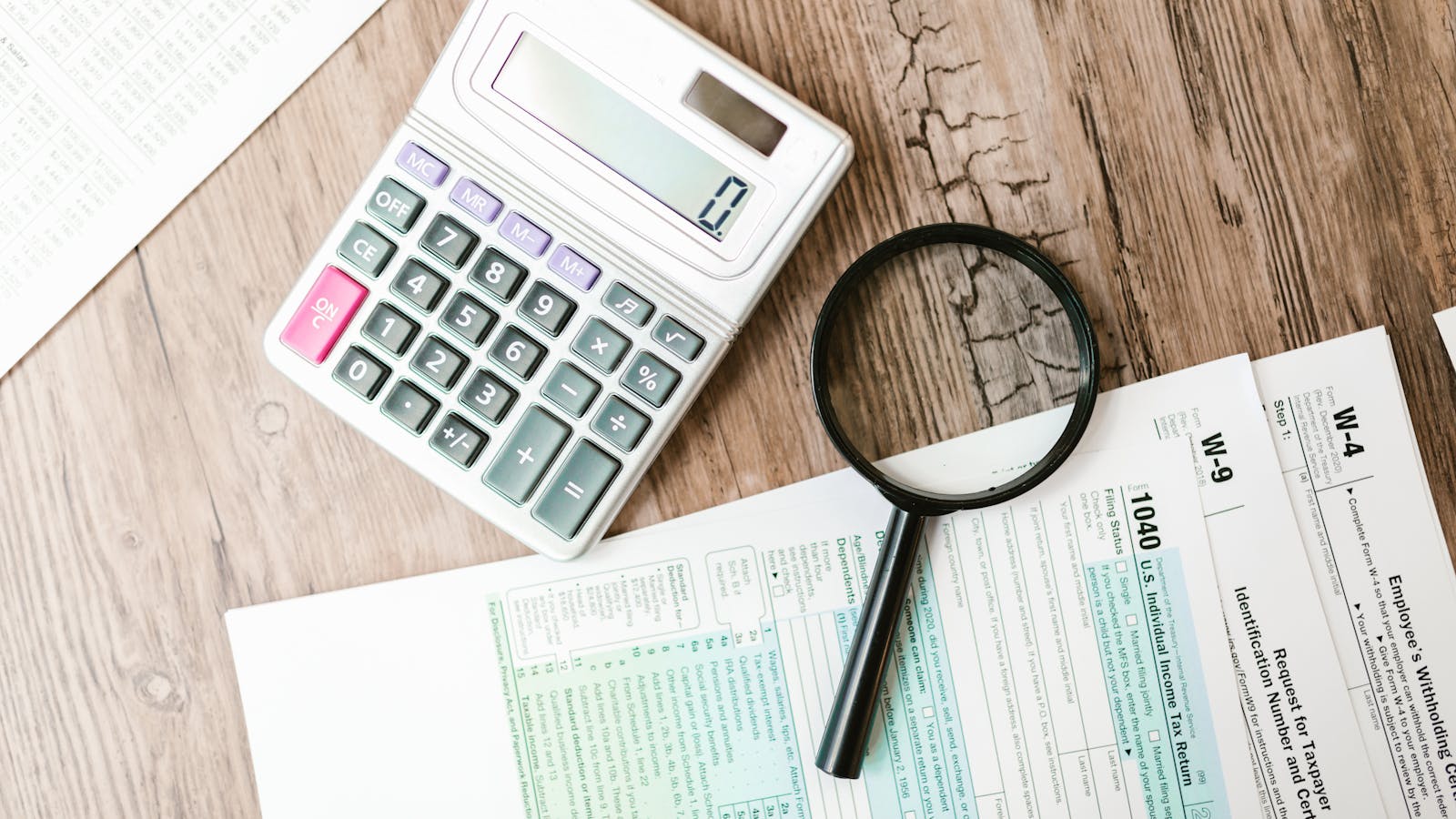
Government-backed business loans are the single most important capital source for first-time business owners in the US. They're not free money. They're not handouts. They're loans - but with longer terms, lower rates, and more flexible underwriting than what a commercial bank would give you on its own.
The catch: 80% of online content about "how to get a government loan" is either recycled marketing fluff or actively misleading (often pointing you toward services that charge upfront fees to "guarantee" approval - which is a scam). This guide is built from primary government sources only - sba.gov, rd.usda.gov, treasury.gov - with every concrete number verified. The goal is that you finish reading and either know exactly which program to pursue, OR know that government loans aren't the right fit for your situation. Both are useful.
1. The honest truth about "government grants"
Before we talk about loans, this part needs to come first because it kills more business plans than any other piece of misinformation.
"SBA does not provide grants for starting and expanding a business." That's the headline. Read it twice. The federal government does NOT hand out free money to start a typical for-profit small business. If anyone tells you otherwise - and asks for any payment to "help you get the grant" - it's a scam.
What grants actually exist at the federal level (and why they probably don't apply to you):
- SBIR / STTR - The federal government's main small-business grant mechanism, but it's exclusively for R&D-focused, technology-oriented businesses. 11 federal agencies participate. Eligibility: U.S.-owned, for-profit, ≤500 employees, 51%+ owned by US citizens or permanent residents. If you're starting an HVAC business, a food truck, a cleaning service, or any normal service business, this is NOT for you.
- USDA Rural Business Development Grants - For public bodies, federally-recognized Tribes, and nonprofits primarily serving rural areas only. NOT for individual for-profit businesses. Project funding $10K-$500K.
- SBA STEP (State Trade Expansion Program) - Funds states to help businesses export. Money flows through state agencies, not directly to businesses.
- State + local grants - Exist but are narrow (rural revitalization, downtown small business, specific industries). Typically published via your state's Department of Commerce or economic development agency. Rare and competitive.
For a typical for-profit business - HVAC contractor, plumber, electrician, landscaper, cleaning service, food truck, retail shop, restaurant - there is NO federal grant program targeted at you. The realistic capital path is debt (SBA, USDA, CDFI) plus your own equity injection. Anyone promising you a grant for your normal small business is either misinformed or running a scam. Period.
2. SBA 7(a) - the flagship loan program
The 7(a) program is the SBA's most-used loan. The SBA itself doesn't lend money - it guarantees a portion of the loan made by an approved lender (a bank, credit union, or Community Development Financial Institution). That guaranty reduces lender risk, which is why they'll say yes to first-time business owners they'd otherwise reject.
| Maximum loan | $5 million |
| Eligible uses | Working capital, equipment, real estate, debt refi, business acquisition, inventory, leasehold improvements |
| Term - working capital / general | Up to 10 years |
| Term - equipment | Up to 10 years |
| Term - real estate | Up to 25 years |
| SBA guaranty (≤$150K) | 85% |
| SBA guaranty (>$150K) | 75% |
| SBA guaranty (Export / International Trade) | 90% |
Source: sba.gov/funding-programs/loans/7a-loans, SBA 7(a) Terms & Conditions.
Interest rate caps (variable-rate maximum spread above base rate)
The SBA caps how much the lender can charge above a base rate (typically WSJ Prime Rate or the SBA Optional Peg Rate). The cap depends on loan size:
| $50,000 or less | Base + 6.5% |
| $50,001 - $250,000 | Base + 6.0% |
| $250,001 - $350,000 | Base + 4.5% |
| Over $350,000 | Base + 3.0% |
WSJ Prime was 6.75% as of April 2026. So a $200K 7(a) loan can run up to prime + 6.0% = 12.75% at the cap. Real-world strong-borrower rates on bigger loans land closer to prime + 2.25%-2.75%. Lenders compete; shop two or three before signing.
Equity injection (your skin in the game)
SBA requires a minimum 10% equity injection for startups (under 2 years old) and for business acquisitions / changes of ownership. Established businesses don't have a formal SBA minimum, but most lenders still want ~10% on most deals. The cash needs to be your own - not borrowed - and lenders ask for the source documents (savings statements, retirement account withdrawal, gift letter, etc.).
Guaranty fees (what you pay for the SBA's backing)
FY2026 fees are set by SBA Information Notice 5000-872051 and vary by loan size. Use the SBA's official fee calculator to estimate yours - fees are typically 2-3.5% of the guaranteed portion, rolled into the loan rather than paid upfront.
For 7(a) loans of $125,000 or less to qualified veteran-owned businesses, the SBA upfront guaranty fee is 0% (waived). SBA Express loans to qualified veteran-owned businesses also have the upfront fee waived up to the program maximum. If you're a veteran, this is real money - make sure your lender flags your status on the application.
3. SBA 504 - for buying real estate or heavy equipment
If you're buying a building, owning your shop space, or investing in long-life heavy machinery, the SBA 504 program often beats 7(a). It's specifically designed for fixed-asset purchases.
| Maximum CDC/SBA portion | $5.5 million ($5.5M additional separately for SBA Green 504) |
| Standard structure | 50% bank/lender + 40% CDC/SBA + 10% borrower equity |
| Special-purpose property OR startup (<2 yrs) | 50/35/15 - 5% additional borrower equity |
| Both special-purpose AND startup | 50/30/20 - 10% additional borrower equity |
| Term lengths | 10, 20, or 25 years (FIXED rate on the SBA portion) |
| Eligible uses | Buildings, land, long-term machinery (10+ years remaining useful life), land improvements, qualifying debt refi |
| Ineligible uses | Working capital, inventory, rental real estate (you must occupy 51%+ of any building you buy) |
The 504's killer feature is the fixed rate on the SBA portion - locked for the life of the loan, often 25 years. That's stability you don't get on a 7(a). The downside: 504 doesn't fund working capital. You can't use it for payroll, marketing, or inventory.
4. SBA Microloans - under $50K, easier qualification
If you need under $50K and don't have a perfect FICO score yet, SBA Microloans are often the right starting point. They're made through nonprofit, community-based intermediaries (typically CDFIs) - not banks - and the underwriting is more flexible than 7(a).
| Maximum loan | $50,000 |
| Average loan | ~$13,000 |
| Maximum term | 7 years |
| Interest rates | Typically 8%-13%, set by the intermediary |
| Eligible uses | Working capital, inventory, supplies, furniture/fixtures, machinery, equipment |
| INELIGIBLE uses | Paying existing debts; purchasing real estate |
| Personal guarantee | Required from the business owner |
Many microloan intermediaries also provide free mandatory training and mentoring as part of the loan - business plan review, financial coaching, marketing help. For a first-time owner this support is often more valuable than the money itself.
The SBA publishes a list of approved microloan intermediaries by state. Find yours at sba.gov/funding-programs/loans/microloans - click the "Find a Microlender" link. CDFI Fund's locator at cdfifund.gov is also good for finding mission-driven lenders broadly.
5. SBA Express + CAPLines - faster + line-of-credit options
SBA Express (faster turnaround)
- Maximum: $500,000
- SBA review turnaround: ~36 hours (vs weeks for standard 7(a))
- Total funding timeline: typically 30-60 days end-to-end
- SBA guaranty: 50% (lower than standard 7(a)'s 75-85%) - which means lenders take more risk and are pickier
- Best for: Established businesses needing fast working capital, not brand-new startups
CAPLines - lines of credit (under the 7(a) framework)
CAPLines is an umbrella for four specific 7(a) line-of-credit products. Service-trade contractors should know about Builders CAPLine specifically:
- Seasonal CAPLine - for seasonal businesses (landscaping, snow removal, holiday retail) to manage off-peak working capital
- Contract CAPLine - for businesses bidding on specific contracts; finances the cost to perform a known contract
- Builders CAPLine - for small contractors/builders financing direct construction costs of a specific project. Highly relevant for service-trade contractors landing larger residential projects.
- Working Capital CAPLine - revolving line of credit for short-term working capital
Source: sba.gov/partners/lenders/7a-loan-program/types-7a-loans.
Community Advantage SBLCs
Community Advantage Small Business Lending Companies (CA SBLCs) are a category of SBA-licensed mission-driven lenders that focus on underserved markets - veterans, rural businesses, new businesses, HUBZone/Empowerment Zone businesses, low-income communities. Up to 85% guaranty for loans up to $250K; loans cap at $350K. CA SBLC lenders must direct at least 60% of their CA loans to underserved markets.
6. USDA Rural loans - if your business is in a rural area
If your business will operate in a town with fewer than 50,000 people, you have a whole second loan ecosystem available beyond SBA: USDA Rural Development. The USDA programs are often more generous than SBA in rural markets specifically.
Business & Industry (B&I) Loan Guarantee
- Maximum loan guarantee: $25 million per project
- Guarantee percentage (FY2026): 85% on loans under $5M; 80% on loans $5M+
- Eligible borrowers: For-profit and nonprofit businesses, cooperatives, federally-recognized Tribes, individuals
- Rural eligibility: Project location outside any city/town with population over 50,000 (your business HQ can be elsewhere as long as the project itself is rural)
- Eligible uses: Business expansion, real estate purchase, equipment, inventory, qualifying debt refi, business acquisitions that maintain operations and jobs
Source: rd.usda.gov/programs-services/business-programs/business-and-industry-guaranteed-loan.
Rural Microentrepreneur Assistance Program (RMAP)
- Microloans to rural microenterprises: Up to $50,000; capped at 75% of project cost
- Loans to MDOs (Microenterprise Development Organizations): $50K-$500K per loan
- FY2026 funding: ~$21M total in loans + grants per Federal Register notice
USDA Rural Development has an Eligibility Map where you can look up any address to confirm whether it qualifies as rural. "Rural" definitions are precise; assume nothing - verify the address before building a business plan around USDA financing.
7. State + local programs - the underused layer
Most first-time business owners ignore state-level programs because they're harder to discover than SBA. That's a mistake. Two big buckets to check:
State Small Business Credit Initiative (SSBCI)
Under the American Rescue Plan Act, the US Treasury allocated ~$10 billion to states/territories/Tribal governments for small business capital programs deployed through 2030+. Each state designed its own programs - most include some combination of:
- Loan participation programs (state buys part of a loan from a bank, reducing the bank's risk)
- Loan guarantee programs (state guarantees a portion of a private loan)
- Collateral support programs (state pledges cash collateral for borrowers with insufficient real assets)
- Capital access programs (loan loss reserve funds shared between borrower, lender, state)
- Equity/venture capital programs (state-backed VC for high-growth)
Find your state's program at Treasury's SSBCI list. Most state economic-development agencies also publish their own portal.
CDFIs (Treasury-certified Community Development Financial Institutions)
CDFIs are mission-driven banks, credit unions, and loan funds certified by the US Treasury. They underwrite to credit-flexible standards and serve low-income, rural, minority, immigrant, and start-up populations that traditional banks turn away. Certified CDFIs operate in all 50 states, DC, Puerto Rico, and Guam. They're often the right answer when you don't fit the standard SBA borrower profile.
Locator: cdfifund.gov. Also useful: Opportunity Finance Network's locator and the Federal Reserve Bank of Minneapolis CDFI Finder.
8. Targeted programs - busting the myths about veteran / women / minority loans
There's a lot of misinformation in this space. Let's separate what's real from what isn't.
Veterans
- There is NO veteran-specific SBA loan program in 2026. The original "SBA Veterans Advantage" branded program was restructured years ago.
- What's real: Upfront guaranty fee waivers - 0% on 7(a) loans of $125,000 or less to qualified veteran-owned businesses; 0% on SBA Express loans to qualified veteran-owned businesses up to the program max. Not a separate loan program - a fee discount on existing programs.
- SDVOSB / VOSB certifications - for federal contracting set-asides. Free certification at VetCert at SBA.
- VetFran - industry-run franchise discount program (NOT government). Most major service-trade franchises (cleaning, lawn care, restoration) participate.
Women-owned businesses
If you've seen ads for "women's small business loans from the government," they're either pointing you at the regular SBA programs (which any qualified borrower can access) OR they're scams. The SBA does NOT have a women-specific loan.
- WOSB / EDWOSB Federal Contract Program - Free certification at certify.sba.gov. Lets you compete for federal contract set-asides. Requires 51%+ U.S.-citizen women ownership and women in day-to-day operational control. Renew every 3 years.
- Women's Business Centers (WBCs) - SBA-funded counseling network providing training, technical assistance, and mentoring. Not a loan program but often the best free resource for first-time women business owners. Locator at sba.gov/local-assistance.
Minority-owned businesses
- 8(a) Business Development Program - Federal contracting set-asides + business development training. NOT a loan program. Sole-source contract limits: up to $7M for manufacturing NAICS, $4.5M for all others.
- Major 2026 changes: SBA issued formal guidance in January 2026 that the prior race-based "social disadvantage" presumption is unconstitutional. The "social disadvantage" test now requires individualized evidence rather than presumption based on race or ethnicity. 1,000+ firms suspended in January 2026 and 620+ moved to termination in March 2026 for refusing financial-data document requests.
- Practical implication for new applicants: Documenting individualized social/economic disadvantage is now required. Talk to a lawyer or SBDC counselor before applying.
9. What you actually need - application requirements
What follows applies to SBA 7(a) and most government-backed loans. Microloans are a little more flexible; 504 has additional collateral specifics. Use this as the realistic checklist:
Personal credit
- SBA itself sets no formal FICO floor, but most lenders want 680+ personal FICO for 7(a) (lender norm, not SBA rule).
- Microloans tolerate lower scores - typically 600-650 minimum at most intermediaries.
- FICO SBSS Score (a small-business-specific score) - As of June 2025, minimum was raised to 165 for 7(a) Small Loans. Effective March 1, 2026, SBA stopped requiring lenders to prescreen with the FICO SBSS Score. Lenders may still use it internally.
Business plan
What lenders actually want to see:
- Executive summary - what the business does, who it serves, why now
- Market analysis - local market size, competitive landscape, target customer
- Management team / your relevant experience - lenders want 2+ years of related experience (lender norm, not SBA rule)
- 3-year financial projections - revenue, expenses, cash flow, debt service coverage. THIS is what lenders look at hardest
- Sources & uses of funds - exactly how the loan money will be spent + your equity injection
Financial documents
- SBA Form 413 - Personal Financial Statement - required from each owner of 20%+ equity
- 3 years personal tax returns - and 3 years business returns if applicable
- Business financial statements (if existing business): P&L, balance sheet, AR/AP aging, debt schedule, cash flow projections
- Bank statements - typically 3-6 months personal + business
- Sources of equity injection - savings statements, retirement account withdrawals, gift letters from family. Lenders verify the cash is yours, not borrowed
Personal guarantee + collateral
- Personal guarantee required from each owner of 20%+ - meaning if the business defaults, the SBA can pursue your personal assets
- Collateral: SBA does NOT require 100% collateralization. The agency cannot decline a loan solely for inadequate collateral if cash flow supports debt service. BUT when collateral is available, lenders must take it (real estate, equipment, inventory, AR), and on shortfalls, available equity in the personal real estate of any 20%+ owner must be pledged
- Cash flow is the primary underwriting criterion. Lenders look at your projected Debt Service Coverage Ratio (DSCR) - see Section 11
Defaulted federal student loans, unpaid federal taxes, child-support arrears, prior SBA loan defaults - any of these will block approval. Resolve these before applying. The lender will run a CAIVRS check (Credit Alert Verification Reporting System) that catches all of them.
10. Where to actually apply (legitimate channels only)
Three legitimate starting points. Avoid everything else.
1. SBA Lender Match (free, official)
sba.gov/funding-programs/loans/lender-match - answer ~5 minutes of questions about your business. SBA returns a list of interested lenders within 2 business days. 800+ participating lenders across all 50 states/territories. No fee, no guarantee of approval, no pressure. This is the smartest first step.
2. SBA Preferred Lenders directly
Major banks with SBA preferred status approve 7(a) loans in-house without SBA review - much faster. Top SBA 7(a) lenders by volume: Live Oak Bank, Huntington Bank, Wells Fargo, Bank of America, Chase, U.S. Bank. Community banks and credit unions in your area may also have SBA preferred status - call and ask.
3. CDFIs for microloans + underserved deals
If you don't fit the standard SBA borrower profile (FICO under 680, less than 2 years experience, no collateral), CDFIs are often the right answer. Locator at cdfifund.gov or ofn.org.
Legitimate SBA lenders charge fees only at closing (rolled into the loan), NEVER upfront for "pre-approval" or "guaranteed approval." Any service charging upfront fees to "help you get an SBA loan" is at best a broker, at worst a scam. The free SBA Lender Match does the same job legitimately. Report fraud at reportfraud.ftc.gov or call the SBA OIG hotline at 800-767-0385.
11. Realistic timelines + the most common denial reasons
Realistic timelines
| SBA 7(a) at preferred lender (PLP) | 30-45 days; some close in 2-3 weeks |
| SBA 7(a) standard (non-PLP) | 60-90 days realistic; 30-120 day spread |
| SBA Express | 30-60 days end-to-end |
| SBA Microloan | 30-90 days (varies by intermediary) |
| USDA B&I Guarantee | 60-120 days |
| SBA 504 | 60-90 days typical |
Anyone promising you "approval in 24 hours" is selling you a non-SBA product (usually a high-rate online business loan with a misleading marketing pitch). SBA timelines are weeks-to-months, period.
Most common denial reasons (in order)
- Insufficient cash flow / DSCR. SBA's de facto floor is DSCR ≥ 1.15 on historical and/or projected cash flow; most SBA lenders prefer 1.25+. Lenders also stress-test at 15-20% EBITDA decline. DSCR is the single most common denial driver. Calculate yours: (Net Operating Income) / (Total Debt Service) - needs to be at least 1.15x.
- Insufficient personal credit. Sub-680 FICO heavily reduces approval odds for 7(a). Microloans tolerate lower scores.
- Insufficient industry experience. Most lenders want 2+ years of related experience. If you're starting an HVAC business, having 5 years as an HVAC technician matters; if you're a software engineer trying to start an HVAC business, you'll likely be denied unless you have a partner with the trade experience.
- Insufficient owner equity injection. Below ~10% on a startup or acquisition usually triggers denial. Lenders want to see you have skin in the game.
- Existing business losses or trending downward financials. If you're refinancing existing business debt and the business is losing money, lenders question the cash flow assumption.
- Delinquencies on federal obligations. Defaulted federal student loans, unpaid IRS taxes, prior SBA loan defaults - any of these is a blocker.
- Recent bankruptcy, judgments, liens, pending litigation, government citations. Most are 7-year lookback windows.
- Inadequate collateral combined with weak cash flow. Either alone may be survivable; both together usually isn't.
Before applying, pull your free credit reports at annualcreditreport.com, check your CAIVRS status (your lender will, but you can request your own report from HUD), and run your DSCR math. If any of those flag a problem, fix it BEFORE applying - denials stay on your record and a denial in the SBA system can make subsequent applications harder.
12. Scams to watch for
The government-loan space is a magnet for scammers. Here's what the SBA Office of Inspector General + FTC flag most often:
- "Free government grant for your business." Almost universally a scam for typical for-profit businesses. SBA itself states it does not provide grants for starting/expanding a business. If anyone offers one and asks for any payment, it's fraud.
- "Guaranteed SBA approval for an upfront fee." Always a scam. Legitimate SBA lenders charge fees only at closing.
- High-interest "bridge loan" pitched while SBA approval is supposedly being secured. Common predatory pattern; the bridge loan locks you into a 30%+ APR product while the promised SBA loan never materializes.
- Impersonators of SBA representatives asking for SSN, bank account, or login info. SBA does not solicit borrowers via cold outreach.
- AI-generated deepfake video / audio impersonating federal officials with fake grant approvals - flagged by FTC and consumer-protection sources as the rising 2026 threat. If a video looks legit but the offer feels too good, it's almost certainly fake.
- Reverse-mortgage / personal-loan companies marketing themselves as "SBA-affiliated." Verify lender SBA-preferred status at sba.gov/lender-match before engaging.
Suspected scam? Report it to the FTC at reportfraud.ftc.gov or the SBA Office of Inspector General hotline at 800-767-0385. Even if you didn't lose money, reporting helps the OIG shut down operators before they hit other business owners.
13. What to do next
If you've read this far and you're seriously considering a government loan, here's the honest checklist for the next 30 days:
- Pull your credit report at annualcreditreport.com (free). Address any errors. Pay down revolving balances if your FICO is under 680.
- Save your equity injection if you don't have it yet - typically 10% of the loan amount.
- Build the business plan. SBA's free planning resources cover the structure. SCORE.org provides free mentor-reviewed plan templates. SBDCs (americassbdc.org) offer free 1-on-1 counseling.
- Use SBA Lender Match at sba.gov/funding-programs/loans/lender-match. Talk to 2-3 lenders before committing.
- If rural: also check USDA Rural Development eligibility.
- If not yet ready for SBA criteria: explore CDFIs or SBA Microloans - both are designed for borrowers who don't fit traditional bank profiles.
- Free templates that help with the application paperwork: our Business Expense Tracker (Excel) handles the cash-flow projections lenders want to see; the no-software guide covers the operational structure that makes your business plan more credible.
Government loans aren't easy. They take 2-3 months. The paperwork is real. The denials are common. But for first-time business owners - especially those without family wealth or established business credit - they're frequently the ONLY path to capital that doesn't sink you under 30%+ APR online lenders. Done right, they're how thousands of businesses launch every month.
The most important thing to remember: legitimate channels are FREE. SBA Lender Match is free. CDFI Fund locator is free. SBDC counseling is free. SCORE mentoring is free. If anyone is charging you upfront to access government money, walk away. The free path leads to the same lenders, with the same approval odds, without the scam tax.
Run your all trades business with Plyrium
CRM, scheduling, quotes, invoices, recurring service contracts, and an AI receptionist - built for service-trade contractors. 14-day free trial. No setup fee. No long-term contract.
Start free trialRelated guides
How to Run a Service Business Without Software in 2026 (Free Templates)
Seven free Word + Excel templates plus the honest playbook for running your first 30+ customers on $0 of monthly software. Don't buy Jobber, Housecall Pro, ServiceTitan, or Plyrium until you actually need it.
How to Start a Food Truck Business from Scratch in 2026
An honest guide for someone genuinely starting one - with real 2026 numbers, no motivational fluff. Built for first-time operators who want to know what they're actually signing up for.
The Owner's Pay Problem: Why Most Contractors Underpay Themselves
If you take whatever is left at the end of the month, you don't have a salary. You have a rounding error. Here's how to fix it without bankrupting the company.
Why Google Local Services Ads Will Burn Through $3K Before You Get a Lead
LSAs look like the cheapest paid lead source on paper. The fine print is the auction nobody warned you about and the dispute system stacked against you.